
Currently Empty: €0.00
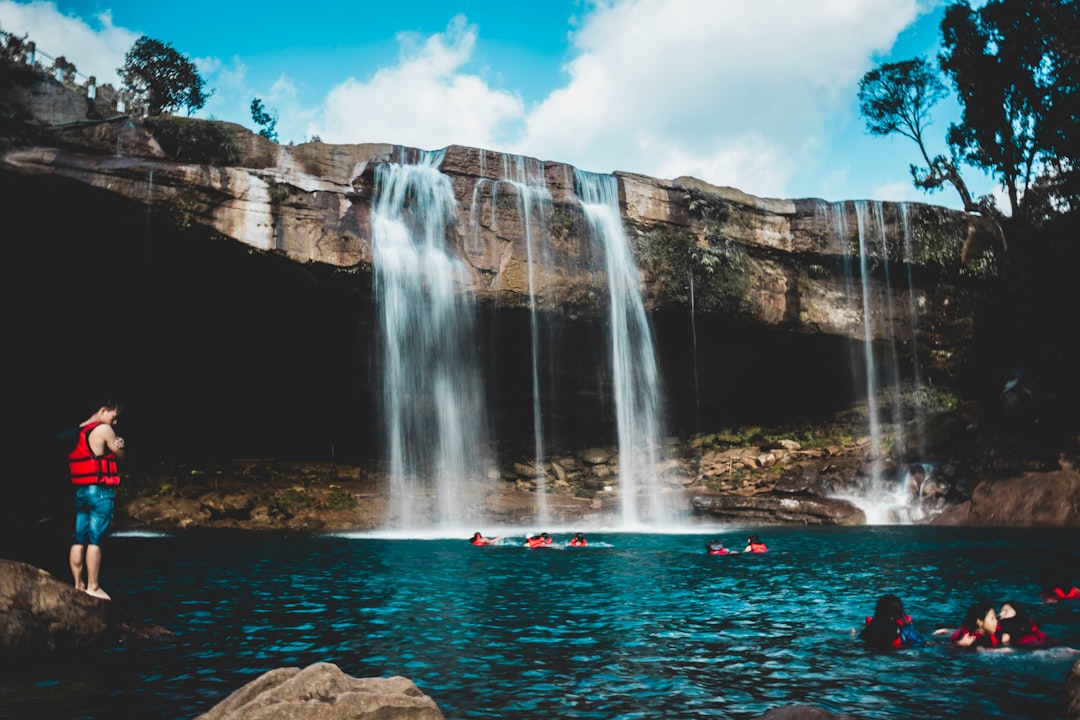
In a world where travel often comes with a hefty price tag and a significant carbon footprint, it’s time to rethink how we explore the great outdoors. Outdoor travel can be both budget-friendly and eco-conscious, allowing you to enjoy nature without breaking the bank or harming the environment. This guide will walk you through practical steps to plan your next adventure while keeping your wallet and the planet happy.
First, let’s consider the essence of outdoor travel. It’s about connecting with nature, exploring new landscapes, and experiencing the thrill of adventure. However, many people feel that outdoor trips require a lot of money and resources. The truth is, with some strategic planning, you can embark on memorable journeys without overspending or contributing to environmental degradation.
**Step 1: Choose Your Destination Wisely**
The first step in planning a budget-friendly outdoor trip is selecting a destination that aligns with your financial and ecological goals. Look for local parks, nature reserves, or national forests that offer free or low-cost entry. Research lesser-known trails and camping spots that are often overlooked by tourists. Not only will you save money, but you’ll also enjoy a more serene experience away from crowded hotspots.
**Step 2: Plan Your Transportation**
Transportation can be one of the biggest expenses when traveling. To keep costs down, consider carpooling with friends or family. If you’re traveling solo, look into public transportation options or bike rentals. For those who enjoy road trips, plan your route to include scenic byways and stops at local attractions to make the journey part of the adventure. Remember, the goal is to minimize your carbon footprint while maximizing your experience.
**Step 3: Pack Smart and Light**
Packing efficiently is crucial for any outdoor trip. Make a checklist of essentials to avoid overpacking and bringing unnecessary items. Focus on multi-functional gear that serves several purposes, such as a portable stove that can also be used as a grill. Invest in quality, durable items that will last for years, reducing the need for replacements. Don’t forget to bring reusable containers for food and drinks to cut down on waste.
**Step 4: Embrace DIY Experiences**
One of the best ways to save money while enjoying outdoor travel is to embrace DIY experiences. Instead of booking expensive guided tours, research local flora and fauna and create your own hiking or camping itinerary. Use free apps and online resources to learn about the area’s history, wildlife, and geography. You can also prepare your own meals instead of dining out, which not only saves money but allows you to enjoy fresh, healthy food.
**Step 5: Leave No Trace**
As you embark on your outdoor adventures, it’s essential to practice responsible travel. Follow the Leave No Trace principles to minimize your impact on the environment. This includes packing out what you pack in, staying on designated trails, and respecting wildlife. By being a responsible traveler, you help preserve the beauty of nature for future generations.
**Step 6: Document and Share Your Journey**
Finally, don’t forget to document your adventures. Take photos, write a journal, or create a blog to share your experiences with others. Not only does this help you remember your journey, but it also inspires others to explore the outdoors responsibly. Use social media to connect with fellow outdoor enthusiasts and exchange tips on budget-friendly and eco-friendly travel.
By following these steps, you can unlock the secrets to affordable and eco-friendly outdoor adventures. Remember, the key is to plan wisely, pack efficiently, and embrace the beauty of nature without compromising your values. Outdoor travel is not just about the destination; it’s about the journey and the memories you create along the way. So, lace up your hiking boots, grab your backpack, and get ready to explore the great outdoors!