
Currently Empty: €0.00
Outdoor adventures can be exhilarating, but they don’t have to break the bank. With a little creativity and planning, you can explore the great outdoors without draining your wallet. This guide will provide you with actionable tips and strategies to make your next outdoor trip both affordable and memorable.
First, let’s talk about the importance of planning. A well-thought-out plan can save you money and time. Start by choosing your destination wisely. National parks, state parks, and local trails often offer stunning scenery and activities at little to no cost. Research free or low-cost events happening in the area during your visit. Many parks host ranger-led programs, workshops, and guided hikes that are free to the public.
Next, consider your mode of transportation. If you’re traveling with friends or family, carpooling can significantly reduce costs. Alternatively, look into public transportation options or consider renting a bike if you’re in a bike-friendly area. If you’re feeling adventurous, why not try a road trip? Pack your car with camping gear and hit the road to explore multiple destinations.
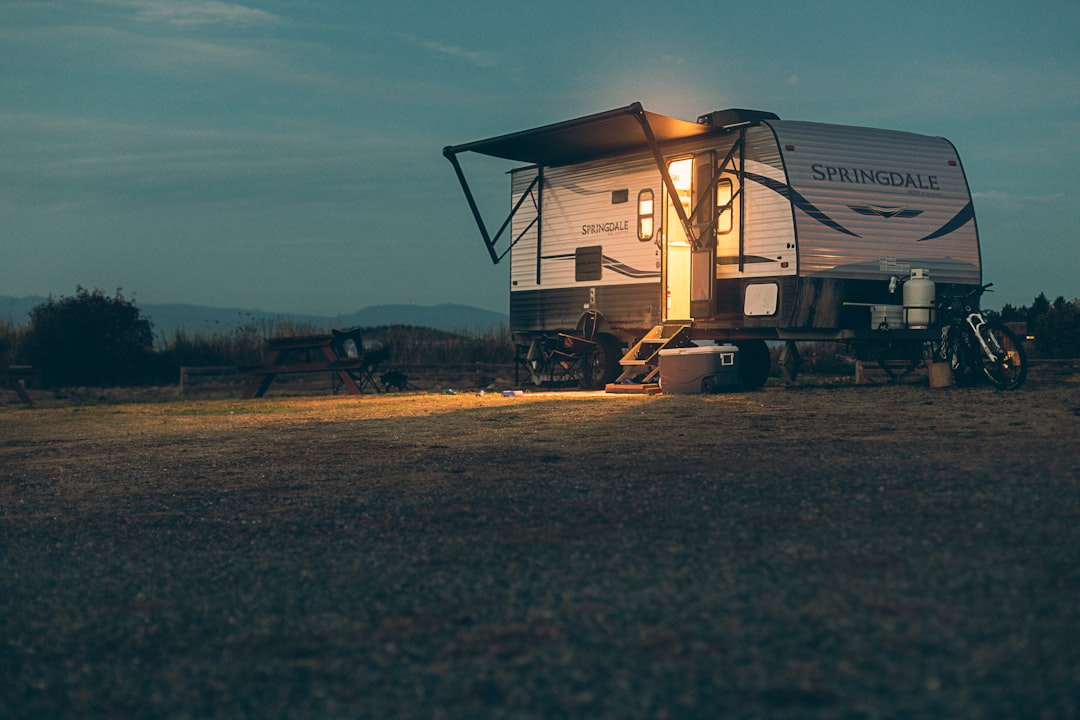
Accommodations can also eat into your budget. Instead of booking a pricey hotel, consider camping or staying in a hostel. Camping allows you to immerse yourself in nature while saving money. If you’re not keen on roughing it, look for budget-friendly cabins or vacation rentals. Websites like Airbnb often have unique options that can be more affordable than traditional hotels.
When it comes to food, plan ahead. Packing your meals can save you a significant amount of money. Create a meal plan and prepare easy-to-cook meals that require minimal ingredients. Think sandwiches, salads, and snacks that are easy to pack. Don’t forget to bring a reusable water bottle to stay hydrated and save on buying drinks. If you do want to eat out, research local eateries that offer discounts or happy hour specials.
Now, let’s dive into some eco-friendly practices that can enhance your outdoor experience while being kind to the planet. Start by minimizing waste. Bring reusable containers, utensils, and bags to reduce single-use plastics. When hiking or camping, follow the Leave No Trace principles to ensure you’re leaving the environment as you found it. This not only helps preserve the beauty of nature but also sets a positive example for others.
Another trend in outdoor travel is the rise of DIY adventures. With a little creativity, you can create your own experiences. Consider organizing a scavenger hunt in your local park or setting up a themed camping night with friends. DIY outdoor activities can be tailored to your interests and can often be done at little to no cost.
As you plan your outdoor adventure, keep in mind the importance of safety. Always check the weather forecast and prepare accordingly. Bring a first aid kit, and make sure someone knows your itinerary. Being prepared can help you avoid unexpected expenses and ensure a smooth trip.
Checklist: Choose a budget-friendly destination, pack your meals, and research local events.
Lastly, embrace the spirit of adventure. Sometimes the best experiences come from spontaneity. Don’t be afraid to explore off the beaten path or try something new. Whether it’s kayaking, rock climbing, or simply taking a scenic hike, the outdoors offers endless opportunities for exploration and enjoyment.
In conclusion, outdoor travel doesn’t have to be expensive or complicated. With careful planning, a focus on eco-friendly practices, and a willingness to embrace creativity, you can have an unforgettable adventure that respects both your budget and the environment. So grab your gear, gather your friends, and hit the trails—your next great adventure awaits!